
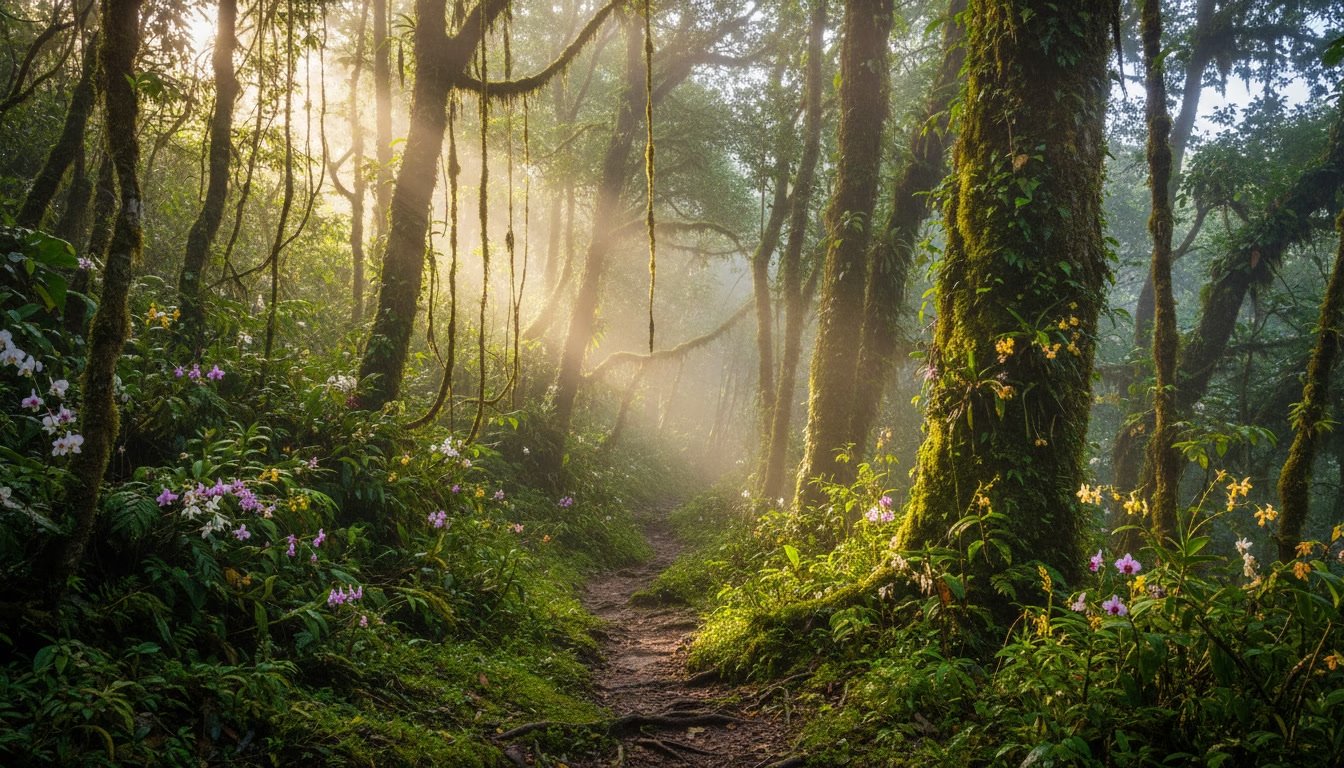
Perched at around 1,400 metres above sea level in the Tilarán Mountains, Santa Elena is the true urban heart of the Monteverde region. This is where hotels, restaurants, tour agencies and shops are concentrated, serving as a base for all travellers who come to explore the cloud forest. Behind its quiet village appearance, this Costa Rican town conceals a remarkable range of activities, from hiking in biological reserves to spotting rare birds and experiencing the canopy. This guide gives you everything you need to plan a successful stay in Santa Elena.
| Key Element | Practical Information |
|---|---|
| Location | Province of Puntarenas, Tilarán Cordillera, ~1,400 m altitude |
| From San José | 3.5 to 4 hours by car; private shuttle between $40 and $60 per person |
| From La Fortuna | 2 to 3 hours by car or shuttle |
| Best time to visit | December to April (dry season); February–March for the quetzal |
| Santa Elena Reserve | 7 am – 4 pm | Entry: $16 adult | Bus from Banco Nacional |
| Monteverde Reserve | 7:30 am – 4 pm | Circuits from $29 adult | Online booking required |
| Curi Cancha Reserve | 7 am – 3 pm | Entry: $25 adult | Max. 50 simultaneous visitors |
| Average daily budget | $60 to $120 per person depending on accommodation and activities |
| Recommended stay | Minimum 2 to 3 nights |
| Car needed? | Recommended (4×4 in rainy season); buses and shuttles available |
Why Visit Santa Elena on a Trip to Costa Rica
The Monteverde region is among the most visited destinations in Costa Rica, and for very concrete reasons. The cloud forest surrounding Santa Elena harbours exceptional biodiversity: over 400 bird species, hundreds of endemic orchids, spider monkeys, sloths and, if luck is on your side, the resplendent quetzal. It is one of the few places in the world where you can observe this mythical bird in its natural habitat, between February and July.
Beyond the wildlife, this territory offers a diversity of experiences that is hard to match in a single destination: hiking in seriously managed biological reserves, zip-lining above the canopy, suspended bridges at treetop level, butterfly gardens, coffee farms and herpetariums. All of it just minutes on foot or by taxi from the village centre.
Santa Elena or Monteverde: What Are the Differences for Travellers
A Practical and Tourist-Friendly Village Atmosphere
Many travellers confuse the two names, which is understandable. Santa Elena is the town, the nerve centre of the region: a triangle of busy streets with supermarkets, banks, ATMs, a pharmacy, a petrol station and a concentration of restaurants and accommodation. This is where the majority of visitors stay and plan their days. Monteverde technically refers to the Quaker community founded in 1951 and the area around the reserve of the same name, 6 km east of Santa Elena.
A Deeper Nature Immersion Between Cloud Forests and Biodiversity
The Monteverde area proper, along Road 620 leading to the reserve, offers a quieter, more forested setting, with lodges often better integrated into the natural surroundings. The atmosphere is more secluded, ideal for those looking to step away from the tourist flow. The two areas complement each other perfectly: you sleep and eat in Santa Elena, and immerse yourself in the forest on the Monteverde side.
How to Reach Santa Elena Easily
Driving and Anticipating Road Conditions
From San José, allow between 3.5 and 4 hours by road. Most of the journey is on paved roads, but the last few kilometres are on gravel, with steep climbs. An SUV or 4×4 is strongly recommended, especially between May and November. From La Fortuna, the journey takes 2 to 3 hours depending on the route taken.
Getting to Santa Elena by Bus or Shuttle
Private shuttles connect San José, La Fortuna, Tamarindo and other towns to Santa Elena. The service is door-to-door and costs between $40 and $60 per person depending on origin. The public bus from San José is considerably cheaper but takes between 4 and 5 hours. Local taxis serve the reserves from the town centre.
When to Go to Santa Elena to Make the Most of the Region
The dry season, from December to April, offers the best weather conditions for hiking. The sky is clearer, the trails less muddy and the animals more visible. February and March are the best months to spot the resplendent quetzal, which nests in the cloud forest during this period.
The rainy season runs from May to November, with particularly intense rainfall in September and October. Fog regularly fills the forest, giving it a mysterious and highly photogenic atmosphere. Accommodation is cheaper and the reserves less crowded. Average temperatures hover around 18 to 20°C throughout the year.
What to Do in Santa Elena: Must-Do Activities
Exploring the Santa Elena Biological Reserve
Managed by the local school board, the Santa Elena biological reserve covers around 310 hectares of primary and secondary forest. It is less crowded than the Monteverde reserve, making it an interesting alternative during peak season. Entry costs $16 for adults. A bus leaves from the Banco Nacional four times a day for around $2 each way. On a clear day, the Arenal volcano is visible from one of the viewpoints.
Discovering the Monteverde Reserve Nearby
The Monteverde biological reserve, 6 km east of Santa Elena, is the most famous in the country. It protects over 10,500 hectares and is now visited via marked circuits (from $29 per adult). Since December 2025, day passes no longer exist: you must choose a specific circuit and book online in advance. Arrive early to maximise chances of spotting wildlife.
Trying the Hanging Bridges and Canopy Experiences
Several parks offer suspended bridges above the canopy: Selvatura Park and Sky Walk (Treetopia Park) are the most well-known. These structures allow you to explore the forest at treetop level. Monteverde’s zip lines are among the most spectacular in Costa Rica. Expect to pay between $40 and $100 depending on the operator and package chosen.
Spotting Hummingbirds, Coatis and the Quetzal
Even at Café Colibri, right at the entrance to the Monteverde reserve, dozens of hummingbirds hover around the feeders. In the reserves, coatis cross the paths without fear of visitors. The resplendent quetzal, sacred bird of Mesoamerican civilisations, is best sought out early in the morning between February and July, with a naturalist guide who knows the nesting areas.
Visiting a Sloth Sanctuary or a Herpetarium
Several educational attractions line the road between Santa Elena and the Monteverde reserve. The Ranario de Monteverde (frog garden) and the Serpentarium allow you to observe dozens of species in captivity. Sanctuaries take in injured or orphaned sloths. Expect to pay between $15 and $20 entry for these sites, often open into the evening.
Adding a Nature or Coffee Experience Around Santa Elena
The region produces high-quality high-altitude coffee. Farm tours such as the Café Monteverde Coffee Tour explain the entire process, from harvesting to drying, for around fifteen dollars. The Monteverde Butterfly Garden, located between the village and the reserve, brings together forty species across four separate enclosures. Entry costs around $18 and includes a guided tour.
Which Reserve to Choose: Santa Elena, Monteverde or Curi Cancha
Each of the three reserves has its own profile. Monteverde is the largest and most famous, but also the most crowded: up to 250 simultaneous visitors in peak season. The Santa Elena reserve is cheaper ($16), quieter and slightly higher in altitude, making it cloudier. It is home to spider monkeys, which are absent from Monteverde. Curi Cancha limits access to 50 people at a time ($25), with an excellent balance of tranquillity and biodiversity, particularly for birdwatching.
If you only have one day, Monteverde remains the reference for the richness of its trails. With two days or more, combine Monteverde very early in the morning and Curi Cancha the following day for a more intimate experience. The Santa Elena reserve is particularly suited to those who want to avoid large crowds.
Where to Stay in Santa Elena According to Your Budget
The range of accommodation in and around Santa Elena is wide. Budget options are found mainly in the village centre: hostels and cabinas offer rooms between $20 and $50 per night. For a mid-range budget, Hotel Poco a Poco, Monteverde Country Lodge and Cloud Forest Lodge offer good value for money at around $80 to $120 per night.
For travellers seeking more comfort, Hotel Belmar and the Hidden Canopy Treehouses are among the most appreciated addresses in the region, with rooms starting from $150 to $200. Note that prices are generally higher here than elsewhere in Costa Rica, due to the cost of transporting goods up into the mountains.
Where to Eat in Santa Elena and the Surrounding Area
The culinary scene in Santa Elena is surprisingly varied for a mountain village. Morpho’s is one of the most popular restaurants in the centre, with a menu that blends Costa Rican dishes, pasta and grilled meats in a room decorated with tropical forest murals. For breakfast, Stella’s Bakery, on the road to the Monteverde reserve, offers homemade pastries, quiches and excellent smoothies.
Lovers of local cuisine will find what they are looking for at Soda Bonanza or Doña Mayra, where a casado (rice, beans, plantains, meat) costs under $10. For a more elaborate evening meal, Bon Appétit serves wood-fired pizzas and fresh pasta. The Tree House Restaurant, built literally around a tree, has become an icon of Santa Elena.
How Much Time to Allow for Visiting Santa Elena
Two nights is the bare minimum to enjoy the region without rushing. A full day is enough to visit one reserve in depth with a guide, and half a day for a complementary activity (zip line, hanging bridges or butterfly garden). With three nights on site, you can combine several reserves, a night walk and a visit to a coffee farm.
Travellers passionate about birdwatching or wildlife photography often allow four to five days: the best sightings happen at dawn, and several mornings are needed to increase the chances of seeing the quetzal. Santa Elena combines naturally with La Fortuna (Arenal volcano) or the North Pacific coast, about 3 hours away by road.
Practical Tips for a Successful Stay in Santa Elena
Equipment, Weather and Appropriate Clothing
The cloud forest is permanently humid. Always bring a light waterproof and hiking shoes with non-slip soles. A few extra layers are necessary in the evening, when temperatures often drop between 12 and 15°C. A waterproof bag or a rain cover for your camera is also recommended.
Bookings, Opening Hours and Crowd Management
The Monteverde reserve now requires mandatory online booking for each circuit. Do this several days in advance during peak season (December to April). Arrive at opening time, at 7:30 am, to avoid the tour groups that tend to arrive around 9 am. Curi Cancha and the Santa Elena reserve are more flexible, but booking is still advised.
Safety, Driving and Hiking on Site
Santa Elena is a very safe destination. Mountain roads require caution, especially after rain: some gravel sections can be slippery. On the reserve trails, stay on marked paths. Avoid touching plants and animals. A head torch is useful for night walks, often offered by parks from 5:30 pm onwards.
Sample Itinerary for Visiting Santa Elena in 1, 2 or 3 Days
1 day: Book the Monteverde reserve very early in the morning (Heart of Forest or Continental Divide circuit). In the afternoon, visit the Ranario or the butterfly garden on the way back to Santa Elena. Dinner at the Tree House Restaurant.
2 days: Day 1 as above. Day 2: morning at Curi Cancha with a naturalist guide for birdwatching. In the afternoon, zip line or hanging bridges at Selvatura or Sky Walk. Evening: guided night walk in the forest.
3 days: Add the Santa Elena reserve on the morning of the third day to compare atmospheres. In the afternoon, coffee farm tour at Café Monteverde. Spend an evening strolling through the village, discovering the Lechería (historic Quaker cheese factory open since 1953).
FAQ About Santa Elena in Costa Rica
Do You Need a 4×4 to Get to Santa Elena?
A 4×4 or SUV is strongly recommended, especially during the rainy season from May to November. The final kilometres of access are on gravel tracks with sometimes steep gradients. In the dry season, an ordinary vehicle can get through, provided it has good ground clearance. Tourist shuttles use adapted minibuses.
Which is the Best Reserve: Santa Elena or Monteverde?
It depends on your priorities. Monteverde offers the most varied trails and the greatest documented biodiversity. The Santa Elena reserve is quieter, cheaper and is home to spider monkeys. Curi Cancha is ideal for birdwatching with fewer crowds. If you can only choose one, start with Monteverde.
Can You Visit Santa Elena Without a Guide?
The reserves are accessible as self-guided visits with a map provided at the entrance. But for spotting wildlife, a naturalist guide makes a considerable difference. Guides communicate with each other in real time to locate the quetzal or other rare species. Expect to pay an additional $20 to $30 for a guided tour lasting 2 to 3 hours.
What Animals Can You See in Santa Elena?
The region is particularly rich: resplendent quetzal, emerald toucan, two-toed sloth, coatis, spider monkeys (Santa Elena reserve), white-faced monkeys, dart frogs, tree-dwelling snakes and hundreds of bird species. Early morning and night walks with a guide maximise the chances of memorable sightings.