
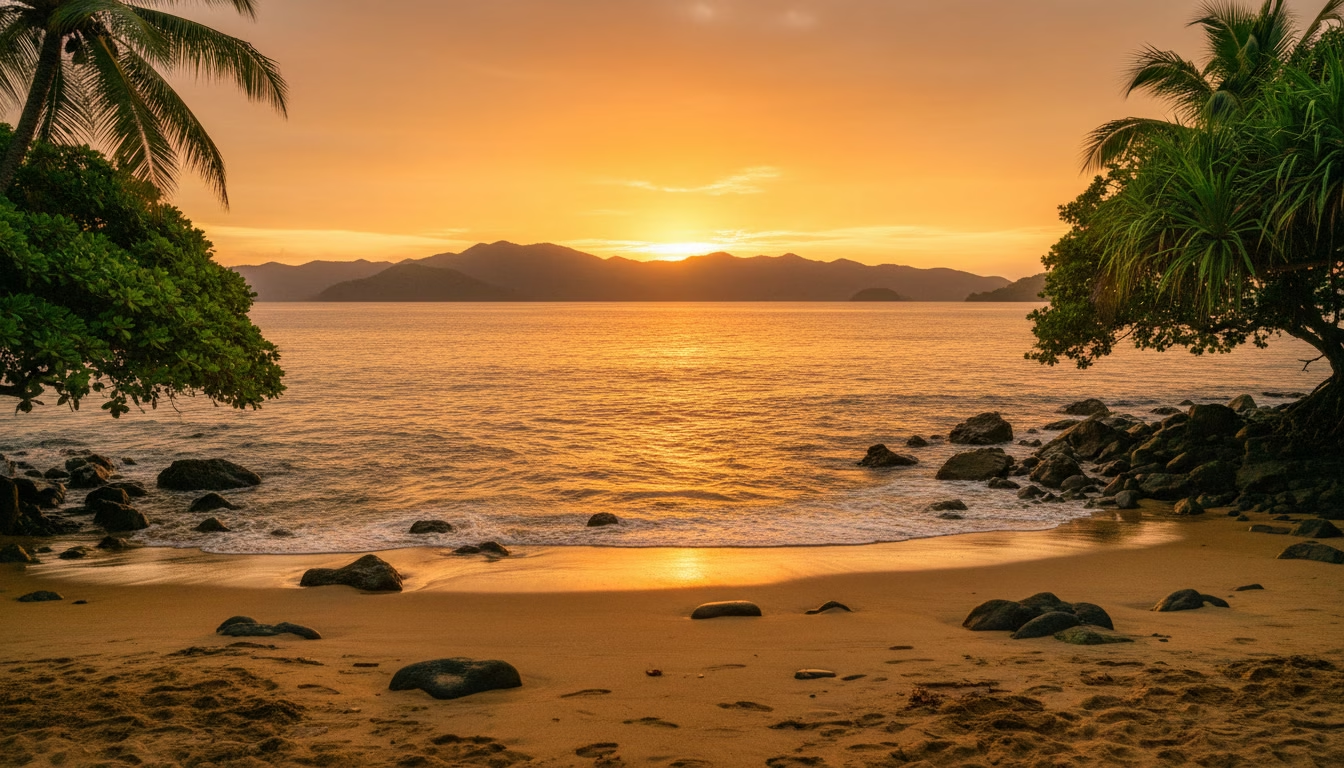
The province of Puntarenas stretches along Costa Rica’s Pacific coast like a standing invitation to slow down. A port capital, the Nicoya Peninsula, the cloud forest of Monteverde, wild beaches on the Nicoya Peninsula: this region concentrates a geographic and cultural diversity that few other corners of the country can rival. I still remember my first arrival in Puntarenas city on a December evening, watching the sunset set the Gulf of Nicoya ablaze. I keep coming back. Here is what this province concretely has to offer, and how to organise your stay without wasting time.
| Site / Activity | Zone | Type | Recommended duration | Best period |
|---|---|---|---|---|
| Paseo de los Turistas | Puntarenas city | Urban promenade | 2 to 3h | All year |
| Monteverde Cloud Forest | North of the province | Nature / hiking | 1 to 2 days | Dec. to Apr. |
| Playa Santa Teresa | Nicoya Peninsula | Beach / surf | 2 to 4 days | Dec. to Apr. |
| Cabo Blanco | Peninsula tip | Nature reserve | Half day | Dec. to Apr. |
| Tortuga Island | Gulf of Nicoya | Boat excursion | Full day | Dry season |
| Boca Barranca | Near the city | Surf (longboard) | Half day | May to Nov. |
| Montezuma | Nicoya Peninsula | Village / waterfall | 1 to 2 days | All year |
Where is Puntarenas and why visit this region of Costa Rica
Location and access from San José
Puntarenas city lies approximately 110 kilometres west of San José, a drive of around 1.5 to 2 hours via national route 1 and then route 17. Direct buses depart several times daily from the La Coca-Cola terminal in San José for around 2,500 colones (roughly 4 euros). By rental car, the journey is straightforward and well-signposted.
A major destination on the Central Pacific
Puntarenas is Costa Rica’s largest province, covering 11,276 km² of territory. It stretches from the Gulf of Nicoya down to the Panamanian border, encompassing a wide variety of ecosystems: mangroves, tropical rainforests, cloud forests and rocky coastlines. It is a pivotal region connecting the Central Pacific to the Southern Pacific, with gateways to some of the country’s most pristine natural sites.
The highlights to see in Puntarenas
Puntarenas city and the Paseo de los Turistas
The Paseo de los Turistas promenade runs the full length of the urban peninsula’s seafront, from the port to La Punta. Along it you’ll find kiosks serving the local Churchill dessert, fresh ceviche restaurants, and unobstructed views over the Gulf of Nicoya. The sunset from this promenade is particularly spectacular during the dry season.
The Monteverde Cloud Forest
Monteverde sits roughly 3 hours by car from Puntarenas city, high in the Tilarán Mountain Range. The Monteverde Biological Reserve is home to over 400 bird species, including the resplendent quetzal, and hundreds of endemic orchids. The suspension bridges above the forest canopy offer a perspective on biodiversity that very few places in the world can replicate.
The waterfalls and beach of Montezuma
Montezuma is a bohemian village at the tip of the Nicoya Peninsula, reached from Puntarenas by ferry to Paquera then 1 hour by road. Its three-tiered waterfalls cascade directly onto the beach, making it one of the region’s most photographed landscapes. You can swim in the natural pools, and the village offers budget-friendly accommodation and laid-back restaurants.
The Cabo Blanco Nature Reserve
Cabo Blanco, at the southern tip of the Nicoya Peninsula, was Costa Rica’s first nature reserve, established in 1963. Its dense tropical forests shelter brown pelicans, parrots and howler monkeys. The hiking trails lead down to an isolated beach only accessible on foot. The reserve is closed on Mondays and Tuesdays.
The islands of the Gulf of Nicoya (Tortuga, Chira, San Lucas)
The Gulf of Nicoya contains several islands with very different characters. Tortuga Island is the most visited, with its turquoise waters and excellent snorkelling. Chira Island is the largest, home to local fishing communities. San Lucas Island, a former high-security prison, is now a national park where vegetation has reclaimed the old buildings.
The finest beaches around Puntarenas
Playa Montezuma
Playa Montezuma is a wild, dark-sand beach edged with rocks and dense vegetation. The waves are strong enough to deter inexperienced swimmers, but the atmosphere is magical. Access from Puntarenas is via the Paquera ferry (45 minutes) followed by around 1 hour of driving. Plan to stay at least one night to enjoy the village at dawn.
Playa Tambor
Playa Tambor is a long, semi-circular bay with calm waters, far better suited to family swimming than surfing. It is one of the few beaches on the Nicoya Peninsula where the water is calm enough for safe bathing. Mid-range to upmarket hotels have established themselves on its shore, including the Barceló Tambor, which has its own private airstrip.
Playa Santa Teresa and Mal País
Santa Teresa and Mal País now form a single beach corridor on the west coast of the Nicoya Peninsula. The area has been transformed by the influx of surfers and expatriates since the 2000s. You’ll find consistently good surf, gastronomic restaurants right on the beach, and an atmosphere that balances fishing village with trendy resort.
The wild beaches of the Gulf of Nicoya
Between Puntarenas and the peninsula, lesser-known beaches reward the effort: Playa Naranjo, accessible from the Paquera ferry, and the Curú Reserve with its near-deserted beaches and abundant wildlife. Capuchin monkeys regularly come down to the sand here. A 4WD vehicle is often essential during the rainy season.
Essential activities to do in Puntarenas
Wildlife and birdwatching
The province of Puntarenas is one of Costa Rica’s richest zones for birdwatching. The Carara Reserve, roughly 30 km south of Puntarenas city, is one of the last habitats of the scarlet macaw in the region. Local guides offer dawn excursions to observe toucans, parrots and species endemic to the Central Pacific coast.
Hiking in the nature reserves
Cabo Blanco and the Curú Reserve offer marked trails through dry and humid tropical forests. In Monteverde, suspension bridge circuits above the canopy allow you to observe biodiversity without disturbing root systems. Budget between $15 and $30 for entry fees depending on the reserve, and arrive early to avoid the midday heat.
Surfing at Boca Barranca
Boca Barranca produces one of Costa Rica’s longest waves, sometimes stretching over a kilometre. This left-hand break at the mouth of the Barranca River, 15 minutes from Puntarenas city, is widely considered one of the world’s finest longboard waves. The best period runs through the wet season, from May to November. The wave is technically demanding and suited to experienced surfers.
Boat excursions through estuaries and to the islands
From Puntarenas city’s main dock, several operators run full-day excursions to Tortuga Island, including snorkelling, lunch and a beach stop. Expect to pay around $80 to $100 per person. Kayaking through the mangroves of the Puntarenas estuary offers sightings of herons, crocodiles and terns in a largely undisturbed environment.
Cycling, horse riding and adventure activities
The Nicoya Peninsula lends itself particularly well to exploration by bike or horseback along quiet coastal tracks. Several equestrian centres in Montezuma and Santa Teresa offer one to three-hour rides to waterfalls or secluded beaches. For adrenaline seekers, zip-lining circuits are available near Monteverde with a bird’s-eye view over the canopy.
Discovering the culture and gastronomy of Puntarenas
The city’s historical and architectural heritage
The Sacred Heart Cathedral, built in 1902 in the city centre, is one of the most representative examples of Costa Rican religious architecture. Nearby, the Puntarenas Maritime History Museum traces the port’s role in the 19th-century national economy, when coffee and other goods passed through here before sailing to Europe.
Festivals and local traditions
The Puntarenas Carnival is one of the country’s most important, held each year in February or March. Parades, concerts and traditional dances including the tonadas fill several days of celebration in the streets. The Fiestas de los Novios, rooted in local maritime traditions, also draw many visitors every July.
Culinary specialities to try (ceviche, vigorón, Churchill)
The seafood ceviche served at the kiosks along the Paseo de los Turistas is often prepared to order using locally caught fish. Vigorón, a typical Pacific Coast dish, combines boiled yuca, chicharrón and pickled coleslaw. And the Churchill, that crushed-ice dessert drenched in condensed milk and fruit syrups, was born right here in Puntarenas: try one at least once on the seafront promenade.
How to organise your trip to Puntarenas
When to go: climate and best time of year
The dry season from December to April is ideal for beaches and water activities. The rainy season, from May to November, makes landscapes greener and waves more powerful for surfing, but some secondary roads become difficult to navigate. Avoid September and October, the wettest months. Temperatures range between 27 and 35°C year-round.
How to get around the region
The ferry between Puntarenas and Paquera is the main route to the Nicoya Peninsula, with departures roughly every two hours. The crossing takes 1h15. Arriving at the ferry before 8am helps avoid long waits during high season. A rental car greatly simplifies exploring isolated beaches, while local buses cover the main routes at low cost.
Where to stay: hotels, cabins and resorts
Puntarenas city offers budget accommodation concentrated around the Paseo de los Turistas, between $30 and $70 per night. The Nicoya Peninsula provides a wider choice, from cheap family cabinas to high-end eco-lodges in Santa Teresa. Tortuga Island has no permanent accommodation. In Monteverde, mid-range hotels are found in Santa Elena from around $60 per night.
FAQ about Puntarenas
How long do you need to visit Puntarenas?
Puntarenas city itself can be explored in a day. But if you want to take in the Nicoya Peninsula, Monteverde and the gulf islands, allow at least five to seven days. The province is vast and distances are covered slowly, especially by bus. With a rental car, a seven-day circuit covers the key highlights without feeling rushed.
What to do in Puntarenas in 1 or 2 days?
With one day, stroll the Paseo de los Turistas in the morning, visit the Parque Marino del Pacífico in the afternoon, and finish with a ceviche at sunset. With two days, add a boat excursion to Tortuga Island on the second day. With a little more time, the evening ferry to Paquera opens the door to the entire Nicoya Peninsula.
Is Puntarenas a good destination for surfing?
For experienced surfers, yes. Boca Barranca is a world-renowned longboard spot, with a left-hand wave that can exceed a kilometre in length. The beaches in Puntarenas city itself are not suited to surfing. Santa Teresa and Mal País, about 3 hours away by ferry and road, offer far more varied conditions suitable for all levels.
Which islands should you visit from Puntarenas?
Tortuga Island is the most accessible and most visited, with clear water and rich marine life. San Lucas Island is fascinating for its history: Costa Rica’s former prison is partly preserved there. Chira Island, less visited, offers a chance to discover the daily life of local fishermen in an authentic setting. Excursions depart from Puntarenas city’s main dock.
Is Puntarenas worth visiting during a Costa Rica trip?
Puntarenas city is often driven through without stopping, which is a mistake. Its seafront, port history and gastronomy merit at least half a day. But it is above all the province as a whole that justifies the journey: Monteverde, Santa Teresa, Montezuma and the gulf islands form a territory of exceptional richness for the curious traveller.